How To Get Wegovy On The NHS: GP Referral Guide 2026

- NHS eligibility and obesity management
- GP referral and primary care steps
- Prescribing and specialist clinics
- Treatment pathway, access, and support
Getting Wegovy through the NHS is usually less straightforward than asking a GP for a prescription at a routine appointment. In most parts of the United...
Getting Wegovy through the NHS is usually less straightforward than asking a GP for a prescription at a routine appointment. In most parts of the United Kingdom, access depends on clinical eligibility, local referral rules, and whether a specialist weight management service is involved. Understanding how NHS assessment, primary care, and specialist clinics fit together can make the process clearer before you discuss treatment with your doctor.
For many adults, the route into NHS care begins with a conversation about overall health rather than a request for a specific medicine. Wegovy is a brand of semaglutide used for obesity management, but NHS access is normally linked to medical need, body mass index, related health conditions, and local treatment pathways. In practice, a GP or another primary care professional will usually look at your history, previous weight management efforts, and whether referral into a structured service is more appropriate than immediate prescribing.
This article is for informational purposes only and should not be considered medical advice. Please consult a qualified healthcare professional for personalized guidance and treatment.
NHS eligibility and obesity management
NHS eligibility is not the same as private access. A person may be suitable for clinical assessment yet still need to meet specific local criteria before treatment is approved. These criteria often relate to obesity, weight-related complications such as type 2 diabetes risk, sleep apnoea, high blood pressure, or cardiovascular concerns, and whether lifestyle support has already been tried. Local NHS rules can differ across England, Scotland, Wales, and Northern Ireland, so the exact pathway may vary by health board, trust, or integrated care system.
GP referral and primary care steps
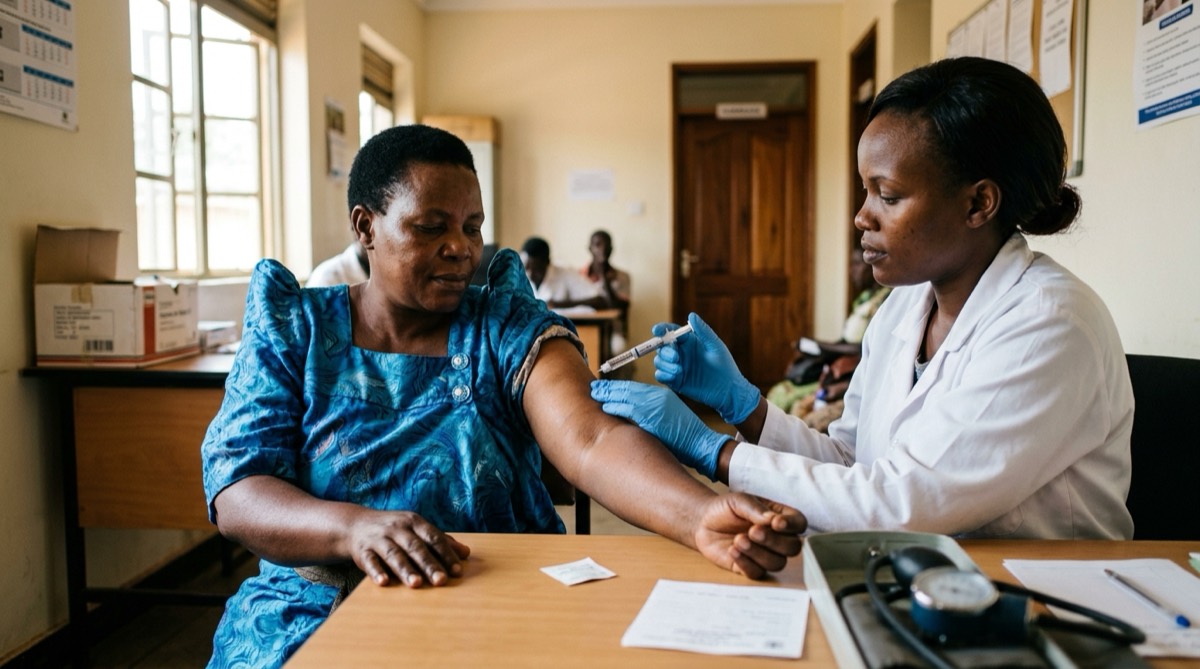
A GP appointment is usually the first formal step. During the consultation, primary care may check height, weight, BMI, waist measurement, blood pressure, medicines, and existing conditions. The purpose is not only to discuss injections, but to decide whether referral is clinically justified and safe. Some patients are managed in primary care with diet, activity, behavioural support, and monitoring first. Others may be referred onward if obesity management needs a multidisciplinary approach that includes specialist review.
Prescribing and specialist clinics
In many NHS areas, Wegovy is not simply prescribed on request in a standard GP setting. Prescribing often sits within specialist clinics or structured weight management services, especially where local policies require assessment by clinicians with expertise in obesity treatment. These services may include doctors, nurses, dietitians, psychologists, and pharmacists. They usually review whether medicine should be part of a broader treatment plan, how side effects will be monitored, and whether the person can engage with follow-up support over time.
Treatment pathway, access, and support
The treatment pathway usually involves more than one appointment. After referral, there may be a waiting period before an assessment clinic reviews eligibility and decides on access. If treatment is offered, support often includes advice on nutrition, physical activity, goal setting, and checking how well the medicine is tolerated. NHS services are generally designed to combine medication with longer-term management, because injections alone are not treated as a complete solution. This is why ongoing support is often central to the pathway.
NHS providers and local clinics
Because NHS routes are organised differently across the United Kingdom, the named organisation involved in your care may differ from one area to another. The table below shows the main public health systems patients usually deal with when asking about referral, consultation, specialist clinics, and treatment access.
What to ask during a consultation
A useful consultation is usually focused on evidence, safety, and next steps. It can help to ask whether you meet current eligibility criteria, whether your area uses a specialist referral pathway, what monitoring would be needed, and what alternatives exist if semaglutide is not offered. It is also reasonable to ask how long the referral process may take and whether local clinics provide behavioural or dietetic support alongside treatment. Clear questions often make the process easier to understand.
Not everyone who asks about Wegovy will receive it through the NHS, even when weight management is a genuine health concern. Eligibility rules, prescribing responsibility, clinic capacity, and local pathway design all influence access. The most accurate route is usually through primary care assessment followed by referral when appropriate. Understanding that NHS treatment is based on clinical need, structured management, and local service availability helps set realistic expectations about how the process works in 2026.
Please note: This guide is general information, not professional advice. Prices, eligibility rules and program details change, so confirm with the provider or a qualified professional before you act.