Understanding Melasma Treatment Options And How They Work
- What Drives Hyperpigmentation and Melanin?
- Skincare Steps for Daily Protection
- Which Ingredients Affect Pigment?
- How Dermatology Procedures Are Used
Uneven brown or gray-brown areas on the face can be difficult to manage because they often linger, darken with sun exposure, and return after seeming to...
Uneven brown or gray-brown areas on the face can be difficult to manage because they often linger, darken with sun exposure, and return after seeming to improve. Care usually combines daily protection, topical ingredients, and sometimes office-based procedures rather than relying on one quick fix. Understanding how these approaches work helps set realistic expectations and supports informed conversations with a skin professional.
This article is for informational purposes only and should not be considered medical advice. Please consult a qualified healthcare professional for personalized guidance and treatment.
What Drives Hyperpigmentation and Melanin?
Melasma is a form of hyperpigmentation in which pigment-making cells become overactive and produce excess melanin. It often appears as symmetrical patches on the cheeks, forehead, bridge of the nose, upper lip, or chin. Sunlight is a major trigger, but visible light, heat, hormonal changes, genetics, and skin irritation can also contribute. Because several factors may be involved at once, improvement often requires a plan that addresses both pigment production and the triggers that keep it active.
Skincare Steps for Daily Protection
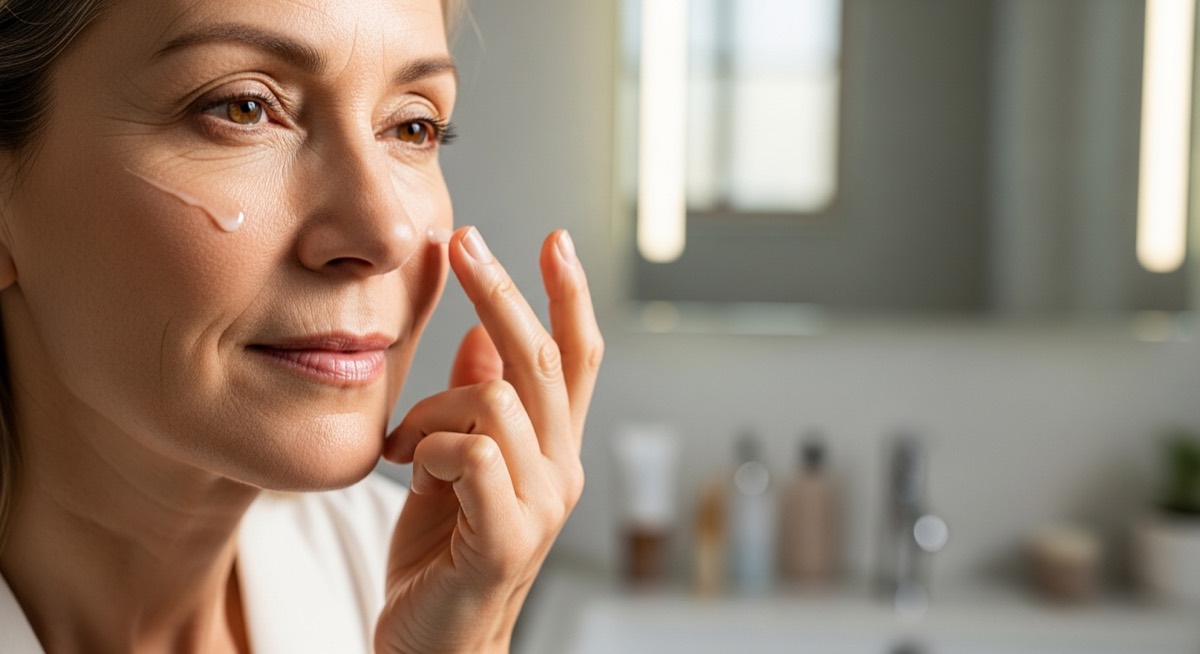
Daily skincare is the foundation of long-term improvement. Broad-spectrum sunscreen with SPF 30 or higher helps limit the ultraviolet exposure that can deepen discoloration, and tinted formulas with iron oxides may also help block visible light. Hats, shade, and avoiding peak sun can add another layer of protection. A gentle cleanser and plain moisturizer support the skin barrier, which matters because irritation from harsh acids, scrubs, or fragranced products can make patches appear darker or more stubborn over time.
Which Ingredients Affect Pigment?
Topical treatment usually focuses on slowing pigment production, encouraging more even cell turnover, or reducing inflammation. Hydroquinone is one of the most established options and is often used for limited periods under medical guidance. Retinoids can increase cell turnover, while azelaic acid, niacinamide, kojic acid, vitamin C, and cysteamine are commonly used in different routines. Some people are also prescribed tranexamic acid by a clinician. Results are usually gradual rather than immediate, and consistent use matters more than aggressive application.
Combination formulas are common because pigment pathways are complex. A dermatologist may recommend using different ingredients at different times of day or cycling stronger products to reduce irritation. That balance is important: when the skin becomes inflamed, the complexion can look more uneven even if active treatment is technically strong. For that reason, successful care often looks conservative on the surface, with a focus on tolerance, regular use, and barrier support rather than frequent product changes.
How Dermatology Procedures Are Used
Office-based dermatology procedures may be considered when home care alone is not enough. Superficial chemical peels can help remove some of the upper layers of pigment and may improve skin texture at the same time. In selected cases, procedures such as microneedling or laser and light treatments are used, but these need careful planning because heat and inflammation can worsen discoloration in some people, especially in deeper skin tones. A specialist usually weighs skin type, pigment depth, and past reactions before recommending procedural care.
These procedures are usually not stand-alone solutions. They tend to work better as part of a broader plan that includes sunscreen and topical maintenance. Even when patches fade after a series of sessions, the underlying tendency toward pigment can remain. That is why follow-up routines are often just as important as the in-office treatment itself. The goal is usually visible improvement and better control, not a permanent guarantee that discoloration will never return.
Why Complexion Patches Often Return
Melasma is often described as chronic and relapsing, which means it can improve and later flare again. This pattern happens because the skin may remain sensitive to common triggers such as sun exposure, heat, hormonal shifts, and irritation from unsuitable skincare. People sometimes notice recurrence after a holiday, during summer, after pregnancy, or when they stop wearing sunscreen regularly. Understanding this pattern helps explain why maintenance care is a normal part of management rather than a sign that treatment failed.
Maintenance may involve a simplified routine with sun protection every day and intermittent use of pigment-controlling products chosen by a clinician. Some people benefit from seasonal adjustments, such as being more strict about outdoor protection in brighter months. Realistic expectations are also part of good care. Improvement is often measured by softer contrast between the patches and the surrounding facial skin, a more even appearance, and fewer flares, rather than complete and permanent clearing.
When Facial Discoloration Needs Review
Not every patch of facial pigment is the same, so professional assessment can be useful when the diagnosis is uncertain. A clinician may consider other causes of discoloration, including post-inflammatory hyperpigmentation, medication-related pigment changes, or other pigment disorders that can look similar at first glance. Evaluation is especially helpful when dark areas appear suddenly, change shape quickly, become irritated, or do not respond to sensible skincare. In some cases, identifying the wrong trigger can delay improvement for months.
A review can also help tailor treatment to the depth of pigment and to individual skin characteristics. People with darker complexions often need plans that reduce the risk of irritation while still addressing visible patches effectively. Pregnancy, hormone therapy, and certain medications can also influence the approach. In practice, careful diagnosis, trigger control, and patience tend to matter as much as the choice of cream or procedure.
Managing this condition usually means combining protection, steady skincare, and, when needed, guidance from dermatology. Different approaches work on different parts of the pigment process, so outcomes are often better when treatment is consistent and adapted over time. While discoloration can be persistent, a structured plan can reduce contrast, limit flare-ups, and support a more even-looking complexion.
Please note: This guide is general information, not professional advice. Prices, eligibility rules and program details change, so confirm with the provider or a qualified professional before you act.