VA FORECLOSED HOMES and where to find them

- How foreclosure inventory reaches the market
- Where veterans find housing listings
- Mortgage and homeloans considerations
- Auction sales versus listed properties
Buyers looking for homes linked to VA-backed loans often expect a single national list, but the search is usually more fragmented. Inventory can appear...
Buyers looking for homes linked to VA-backed loans often expect a single national list, but the search is usually more fragmented. Inventory can appear through public records, auction platforms, broker listings, and agency websites, each with different rules and timelines. Understanding how these sources connect makes the process clearer for veterans, first-time buyers, and anyone researching distressed housing.
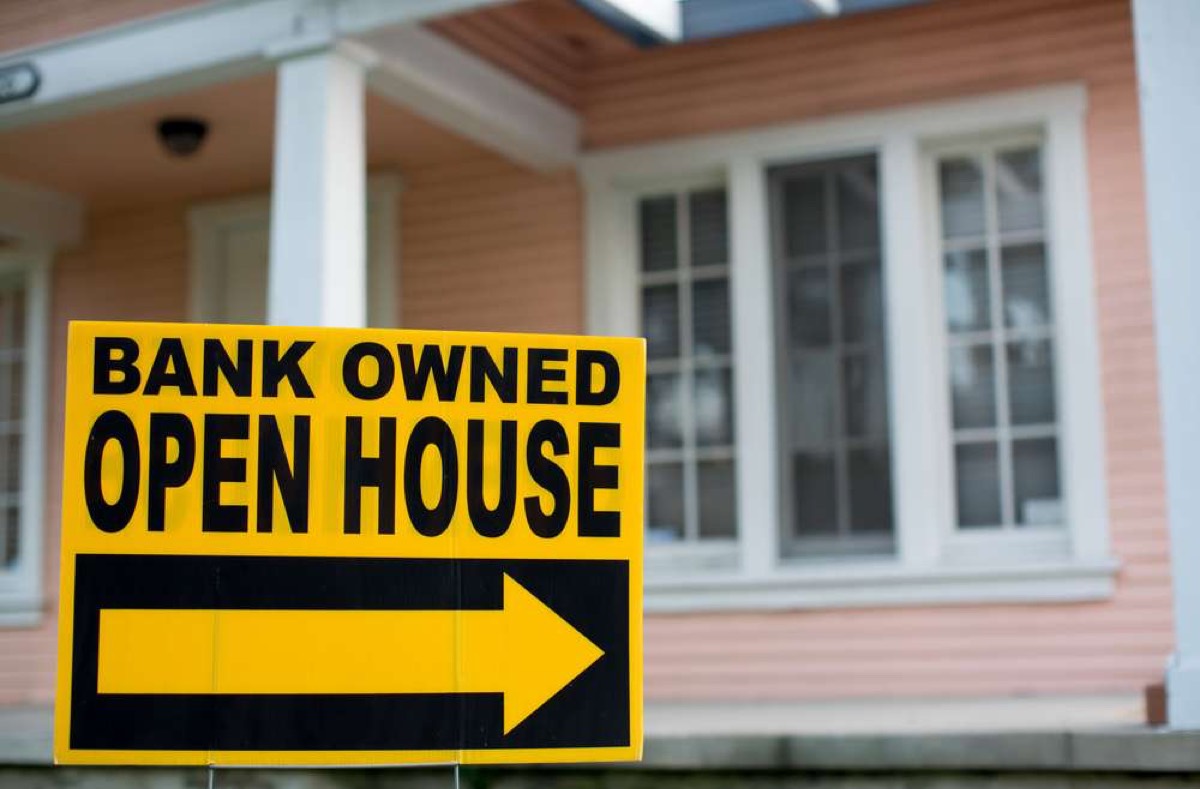
Finding homes connected to a defaulted VA-backed mortgage requires patience and careful terminology. In practice, these properties may appear as foreclosure sales, bank-owned homes, or standard resale listings after the legal process is complete. That means buyers are not usually searching one central database. Instead, they are tracking several channels at once and confirming whether a property is part of a court process, an auction, or a regular real estate listing.
How foreclosure inventory reaches the market
A home tied to a VA-backed mortgage does not automatically become a government-owned property. After a borrower defaults, the path can involve loan servicers, trustees, courts, and local rules before the home reaches public sale. Some properties go to auction, while others become lender-owned and later appear through agents or online listings. For veterans and other buyers, this matters because the stage of foreclosure affects access, inspections, financing options, and closing timelines.
Where veterans find housing listings
Many buyers start with broad housing portals, but distressed inventory is often scattered across multiple sources. Public notice pages, county records, MLS-based listings shown on major websites, and specialized auction platforms can all contain relevant properties. Searching terms such as foreclosure, bank-owned, REO, and auction can help narrow results. For veterans, it is also useful to speak with an agent familiar with VA loan rules, since listing descriptions do not always explain whether a home will meet lender or appraisal requirements.
Mortgage and homeloans considerations
A foreclosed property can sometimes be purchased with VA financing, but not every home will qualify. Homes needing major repairs may fall short of minimum property standards, and auction sales often require cash or very fast funding instead of a traditional mortgage. Buyers using homeloans should review occupancy timelines, appraisal conditions, repair needs, and lender overlays before making assumptions. A property connected to a VA-backed loan in the past is not the same thing as a property guaranteed to work with a new VA loan today.
Auction sales versus listed properties
Auction inventory and agent-listed properties involve very different levels of risk. Auction homes may offer earlier access to foreclosure inventory, but buyers can face limited inspection rights, deposits, legal notices, and compressed deadlines. Listed properties that return to the open market after foreclosure can be easier to finance and inspect, though competition may be stronger. In both cases, strong due diligence matters: title review, local tax status, repair estimates, occupancy status, and comparable sales all affect whether a property is practical rather than just visually appealing.
Real estate sources to monitor
There is no single public source covering every VA-related foreclosure in one place, so buyers usually combine government records, brokerage sites, and auction platforms. The most useful approach is to cross-check listings, confirm the sale type, and verify whether the home is still available. It is also important to remember that HUD homes, Fannie Mae properties, and county foreclosure notices are separate channels, even when they appear similar on search results.
These sources often overlap, but they do not always update at the same speed. A listing can remain visible after a sale is postponed, canceled, or moved into another stage. That is why inventory research should include both online listings and local records in your area. Buyers who understand the difference between a public notice, an auction event, and an active resale listing are usually better prepared to judge timing, financing, and property condition.
What buyers should keep in mind
Foreclosure research is partly about finding addresses and partly about interpreting status changes. A home may move from notice to auction, from auction to lender ownership, and then to an agent-listed sale. For veterans and civilian buyers alike, the main advantage comes from understanding the process rather than chasing a single label. Clear records, careful inspection planning, and realistic financing expectations make these properties easier to evaluate within the wider housing market.
Please note: This guide is general information, not professional advice. Prices, eligibility rules and program details change, so confirm with the provider or a qualified professional before you act.